Architecting Authority
Architecting Authority
Groew installs SEO systems for businesses, agencies and teams that want buyers to find them, trust them and enter a growth path the business owns.
Most SEO work is sold as keywords, blogs and reports. That is not enough when the website, local visibility, content, authority and reporting all need to work together. Groew builds the full search system: crawl foundation, buyer intent pages, authority signals, AI visibility, proof and measurement.
Pages, content and technical signals that help buyers find you before they compare vendors.
Entity signals and answer ready content that help AI tools understand and mention your business correctly.
The lead paths, proof assets and reporting layer that turn search visibility into an owned business asset.
These are the primary layers most businesses and agencies need first. Each one can stand alone, but the strongest results come when the layers work together.
The complete owned search system for businesses, agencies and teams that need execution. We find the constraint, fix the foundation, map buyer intent, build topic architecture and install reporting that shows what is compounding.
Technical SEO makes sure Google can crawl, understand and trust your site before content and authority work begin. If this layer is broken, publishing more pages only creates more waste.
Content strategy decides which pages should exist, what buyer questions they answer and how each page moves a visitor closer to a decision. This is not a blog calendar. It is search architecture.
AI search visibility starts with clear entities, strong proof and pages that answer buyer questions directly. We structure your site so AI systems can understand, cite and describe your business accurately.
Search engines and AI tools look for trust signals beyond your website. We build credible mentions, link earning assets and proof signals that support rankings, citations and buyer trust.
Commercial pages turn search demand into pipeline. We build service, industry, problem and comparison pages around real buyer questions, proof and one clear next action.
Some sites need migration protection. Some need reporting clarity. Some need local, international or scalable page systems. The diagnostic decides the right scope.
Search Console, ranking movement, lead source tracking and monthly decisions in one clear view. Reporting should show what is compounding, not just what moved.
Audit My SEO Reporting → 08Full website SEO for businesses that want more enquiries from search. We fix the site architecture, map buyer intent, close content gaps and build pages that earn qualified traffic.
Review My Website SEO → 09Location pages, map visibility and local trust signals for businesses where geography changes how buyers search.
Build My Local Search → 10Audit support, page briefs, technical fixes and client reporting for agencies that need reliable SEO execution behind their own delivery.
See Agency Support → 11Fix pages that lost traffic, update old content and remove weak SEO patterns before they damage trust or waste crawl attention.
Review My Content → 12Redirect mapping, canonical control, sitemap migration and launch monitoring so authority is protected during rebuilds and redesigns.
Protect My Migration → 13Map the exact problems, comparisons and questions buyers search before they contact a vendor. The goal is demand clarity, not keyword volume.
Map My Buyer Intent → 14Create a clear page hierarchy so Google, AI tools and buyers understand what matters most and which pages carry commercial intent.
Review My Architecture → 15Country, language and market structure for companies targeting more than one region without confusing Google with duplicate signals.
Plan My International SEO → 16Scalable page systems for locations, integrations, comparisons, categories or marketplace style demand when the search pattern is repeatable.
Scope My Page System → 17Product, category and collection page SEO for stores that need search demand to turn into qualified product discovery and sales.
Review My Store SEO →Rankings are useful. Owned growth is better. Revenue Infrastructure connects SEO, website architecture, proof, lead capture and measurement so search becomes a business asset, not another marketing report.

Search brings demand. Pages convert demand. Proof builds trust. Measurement shows what to build next.
The fastest way to waste SEO budget is to buy content when the issue is technical, or buy links when the page does not convert. Groew starts by finding the real blocker.
The process is simple because the work is already complex. We find the constraint, build the first owned assets and measure what compounds.
We audit the site, search demand, technical foundation and buyer path before recommending a service.
We fix blockers, create the page architecture, install tracking and build the first priority assets.
We measure what is moving, refresh what is weak and keep adding owned search assets.
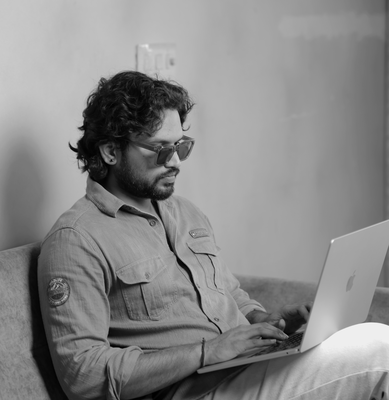
Most teams do not have one SEO problem. They have a sequencing problem. They publish content before fixing the site, ask for links before the page deserves trust, or run ads to pages that do not answer buyer doubts. The strongest result I keep returning to is simple: when one client cut ad spend by 82% and enquiries kept rising over 15 months, it was not one tactic. It was the system working together.
Groew starts every engagement with a diagnostic. We identify whether your blocker is technical, content, authority, AI visibility, landing pages or the full Revenue Infrastructure system.